
Community Rating

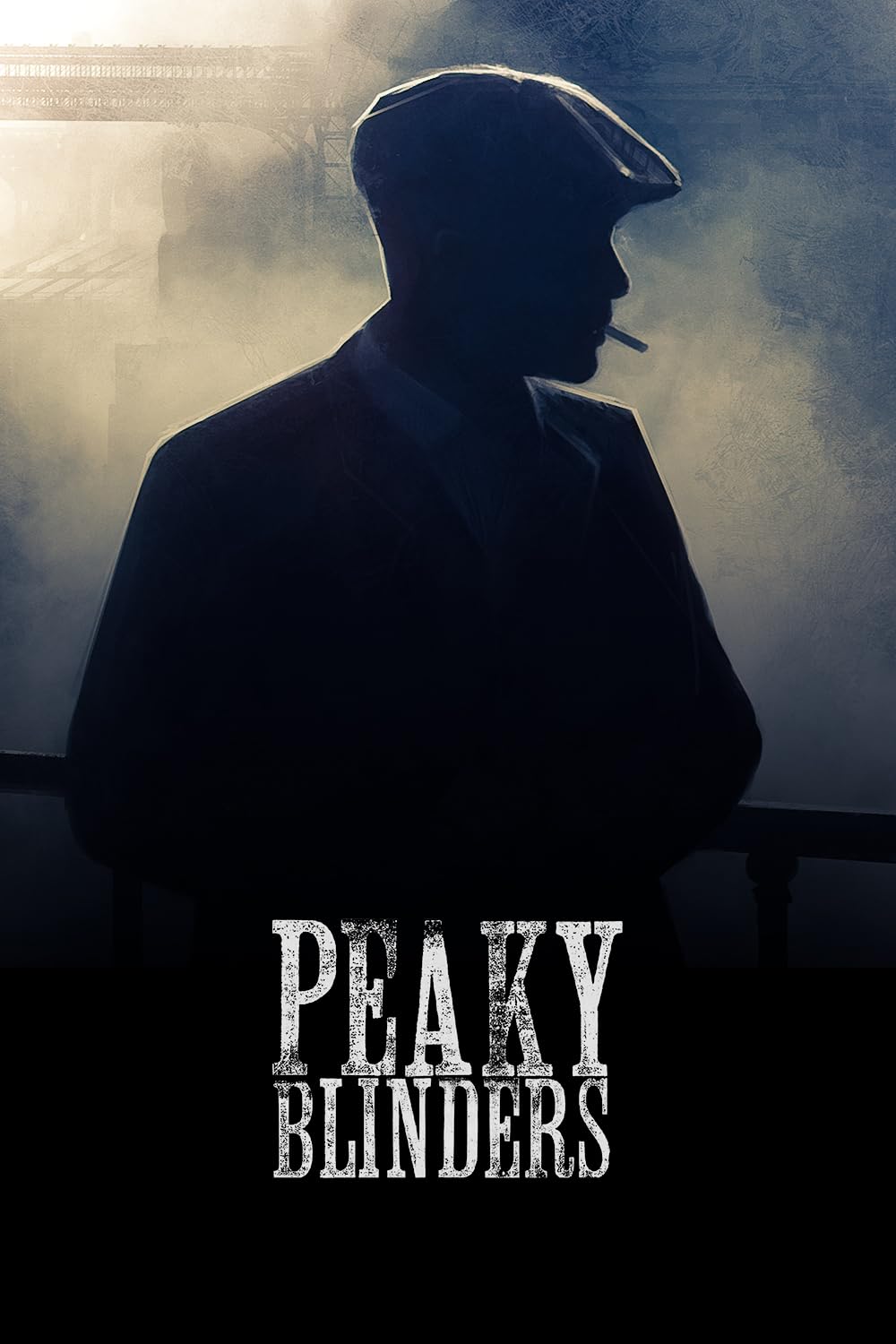
Peaky Blinders
This content is restricted!
Help us review the content you've watched. Login here.
Full Synopsis Of Peaky Blinders
Peaky Blinders is a British crime drama series created by Steven Knight, set in Birmingham, England, post-World War I. The series follows the journey of the criminal gang Peaky Blinders, led by the Shelby family, focusing on their ambitions, power, and internal and external conflicts. Here is the most complete synopsis of the entire series (6 seasons), without specific spoilers to maintain the viewing experience, but still provide a comprehensive overview of the plot, themes, and development of the story.
Background
Set in Birmingham in the late 1910s to 1930s, Peaky Blinders portrays a harsh working-class world, full of poverty, violence, and political intrigue. The Peaky Blinders gang, named for their habit of inserting razors in their hats, is a criminal group that controls illegal activities such as betting, racketeering, and black market trading. The series is inspired by a real gang of the same name that operated in Birmingham in the late 19th and early 20th centuries.
Season 1: Rise Of The Shelby Family
The story begins in 1919, when Thomas “Tommy” Shelby (Cillian Murphy), the bright and ambitious leader of Peaky Blinders, returns from World War I with deep trauma. Along with his brothers—Arthur (Paul Anderson), John (Joe Cole), and their sister Ada (Sophie Rundle)—as well as their Aunt Polly Gray (Helen McCrory), who becomes the financial brains of the family, Tommy seeks to expand the gang's power in Birmingham.
The first season introduces the main conflict when Peaky Blinders accidentally steals a government-owned weapon, attracting the attention of the police and a stubborn Inspector, Chester Campbell (Sam Neill), who is sent from Belfast to rid Birmingham of crime. Tommy must balance his ambition to make Peaky Blinders a legitimate force with threats from the police, rival gangs like the Italian Changretta, and internal family conflicts. The season also explores Tommy's relationship with Grace Burgess (Annabelle Wallis), a barmaid who harbors a big secret, as well as the trauma of the war that haunts the Shelby family. The main themes of the season are ambition, betrayal and the search for legitimacy.
Season 2: expansion and betrayal
Pada tahun 1921, Peaky Blinders mulai memperluas operasi mereka ke London, menantang geng-geng besar seperti Sabini (Noah Taylor) dari Italia dan Alfie Solomons (Tom Hardy) dari komunitas Yahudi Camden Town. Tommy seeks to make his family business more organized and legitimate, but this expansion brings new risks, including a brutal gang war. Meanwhile, the Shelby family faces internal tensions, with Arthur battling addiction and anger, and Polly confronting her dark past.
This season deepens Grace's character and her relationship with Tommy, while introducing new threats from external enemies and local politics. Tommy begins to get involved in bigger political games, including relationships with the government and radical groups. The second season highlights themes of loyalty, sacrifice, and the price of power, with increasingly complex intrigue and more intense action.
Season 3: Political Games and family conflicts
Set in 1924, the third season shows the Peaky Blinders at the height of their powers, with Tommy now living a more glamorous but still dangerous life. The family business has grown into an international operation, but it attracts the attention of more powerful enemies, including dangerous political and religious groups. Tommy becomes embroiled in a geopolitical intrigue involving Russia and Britain, forcing him to come face to face with a force far greater than his previous rival gang.
Family conflict also peaks, with tensions between Tommy and the rest of the family, especially as his decisions become increasingly risky. This season introduces new characters such as Father John Hughes (Paddy Considine), who becomes a devious enemy, and explores Tommy's deepening psychological trauma. The main themes of the season are betrayal, morality and the impact of power on a person's psyche.
Season 4: threats from the past
The fourth season, set in 1925-1926, brings the Peaky Blinders face a deadly threat from the Italian mafia led by Luca Changretta (Adrien Brody), who seeks revenge. After the tragic events of the previous season, the Shelby family disintegrates, with Tommy trying to reunite them to face an organized and ruthless enemy. This season features the return of key characters and introduces new dynamics within the family, including Polly's struggle to maintain control and influence.
Tommy also begins to get more deeply involved with politics, with ambitions to gain greater power beyond the criminal underworld. This season is full of emotional tension, brutal action and strategy games, focusing on the themes of revenge, redemption and Family Solidarity. Alfie Solomons returns with a more complex role, adding a layer of intrigue to the story.
Season 5: Political and psychological crisis
Set in the late 1920s, the fifth season takes place amid the economic turmoil following the 1929 stock market crash. Tommy, now a member of Parliament, is caught between the criminal and political worlds, facing off against Oswald Mosley (Sam Claflin), a charismatic but dangerous fascist politician. This season explores the emerging threat of fascism in Britain and how Tommy navigates this extreme ideology while still maintaining the power of Peaky Blinders.
Internally, Tommy faces a growing psychological crisis, with the trauma of war and personal loss haunting him. The Shelby family also faces new conflicts, with younger members such as Michael Gray (Finn Cole) challenging Tommy's authority. The season stands out with a strong political overtones, highlighting the themes of ideology, corruption and inner struggle, while still maintaining the typical action of the series.
Season 6: finale and finale
The final season, set in the early 1930s, is the climax of Tommy Shelby's journey. With the threat of Mosley and fascism growing stronger, Tommy must make decisions that will determine the future of his family and his legacy. This season ties many of the story threads from previous seasons, focusing on redemption, legacy, and the consequences of Tommy's life choices. External conflicts with political and criminal enemies combine with Tommy's internal struggle to find peace.
The season also explores the social and political changes in Britain in the run-up to World War II, with Peaky Blinders caught up in a bigger power play than ever before. Characters like Polly, Arthur, and Ada get key moments, while new alliances and betrayals add to the tension. The season closes in a satisfying yet open manner, providing an emotional finale while also opening up possibilities for future stories (like the movie that has already been announced).
Themes and styles
Peaky Blinders known for its unique blend of crime drama, family epic, and social commentary. The series explores themes such as the trauma of war, social class, ambition, loyalty, and morality in a violent world. Its distinctive visual style, with gray cinematography and vintage aesthetics, combined with a modern soundtrack (such as Nick Cave's songs) create a powerful and unforgettable atmosphere. Penampilan Cillian Murphy sebagai Tommy Shelby menjadi inti serial ini, didukung oleh ensemble cast yang luar biasa seperti Helen McCrory, Paul Anderson, dan Tom Hardy.
Conclusion
Peaky Blinders is an epic story of the rise and fall of a man and his family in the midst of a tumultuous criminal and political world. From the streets of Birmingham to the national political scene, the series depicts Tommy Shelby's struggle to achieve power, legitimacy and inner peace, while facing his enemies, betrayals and personal demons. With complex characters, thrilling plot, and sharp social commentary, Peaky Blinders it became one of the most iconic series of the modern era.
See More Movies
Related products
- Series
Hot Wheels Let’s Race
- Series
Bad Dinosaurs
- Series
Peppa Pig
Community Rating