
Community Rating

Grave of the Fireflies
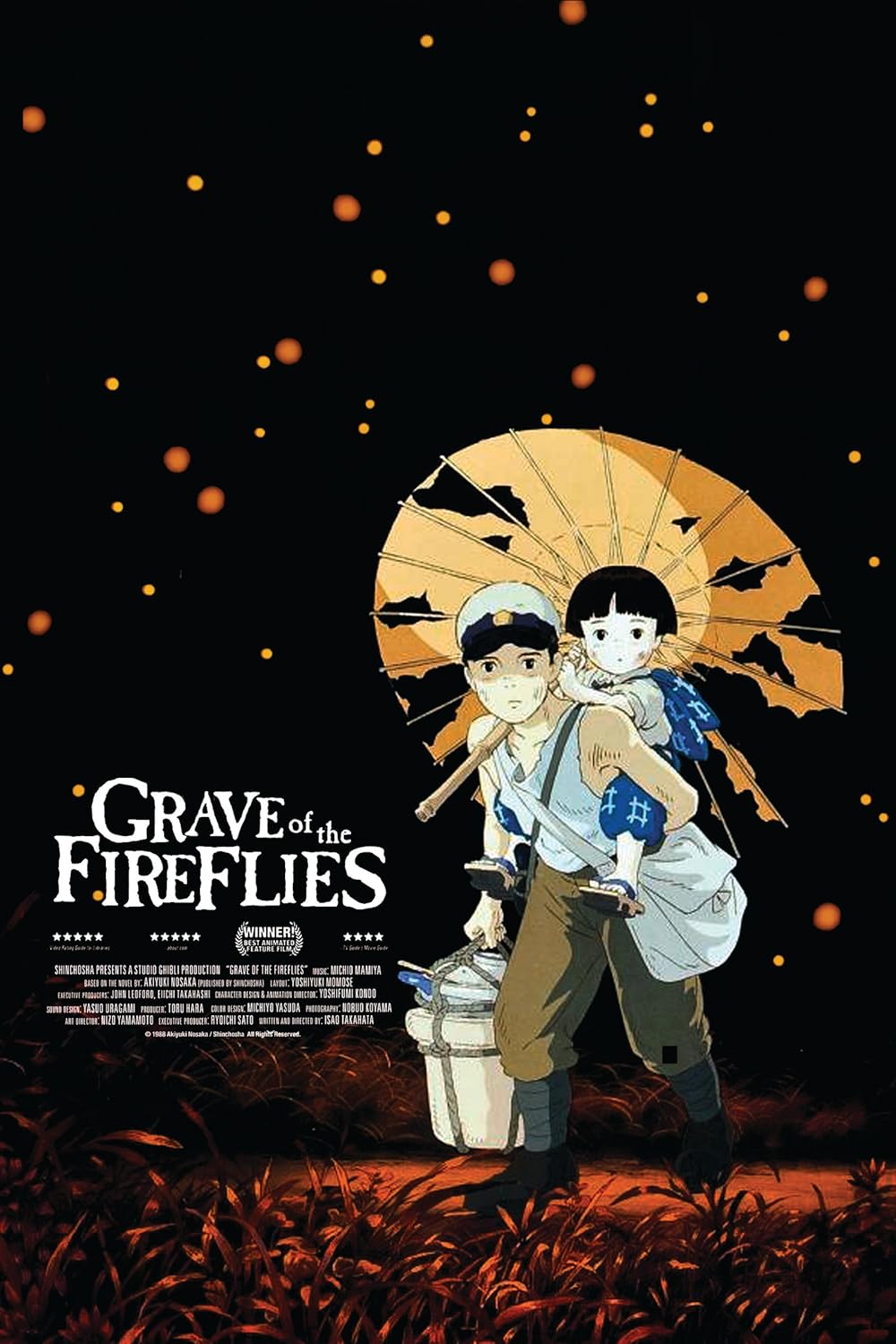
“Grave of the Fireflies” (dalam bahasa Jepang: Hotaru no Haka) is a Japanese animated film released in 1988 by Studio Ghibli, directed by Isao Takahata. The Film is adapted from a semi-autobiographical short story by Akiyuki Nosaka and is set during World War II in Japan. The story follows two brothers, Seita and Setsuko, who struggle to survive amid the chaos of war after losing their mother in a bomb attack and their father serving in the Navy. With a beautiful but realistic animation style, the film depicts the suffering, hunger and despair experienced by both children, as well as the tragic impact of war on civilians.
Brief Description
- Themes: Survival, loss, and impact of war.
- Atmosphere: Very emotional, dark, and tragic.
- Duration: About 89 minutes.
- Target Audience: Despite being animated, the film is more aimed at teenagers and adults due to its heavy content.
Suitability for Children's Viewing
“Grave of the Fireflies” not suitable to be watched by small children. Here's why:
- Heavy emotional content: The Film presents death, suffering and deep sadness that can be very difficult for children to understand or accept.
- Tragic Scene: There are realistic depictions of hunger, disease, and death, including the heart-wrenching death of one of the main characters.
- Context Of The War: The theme of war and destruction may be too complex and frightening for children who do not yet have a mature understanding of history or emotions.
- No Light Elements: In contrast to other Studio Ghibli works such as My Neighbor Totoro full of magic and cheerfulness, the film lacks significant happy moments to balance the sadness.
The Film is more appropriate for teenagers or adults who are able to reflect on the deep meaning of humanity and the consequences of war. If you are looking for a child's viewing from Studio Ghibli, options such as Spirited Away or Ponyo it would be much more appropriate because it has fantasy elements and a lighter message.
This content is restricted!
Help us review the content you've watched. Login here.
Sinopsis Terlengkap: Grave of the Fireflies (Hotaru no Haka)
Grave of the Fireflies (Hotaru no Haka) is a Japanese animated film by Studio Ghibli directed by Isao Takahata, released in 1988. Based on the semi-autobiographical novel by Akiyuki Nosaka, the film is considered one of the most emotional and powerful animated works ever made, portraying the suffering of war through the perspective of two young children. Here is the most complete synopsis of the film:
Background and beginning of the story
The Film is set in Kobe, Japan, in 1945, near the end of World War II. The story opens with a tragic scene: Seita, a 14-year-old teenage boy, looks weak and hungry at the Sannomiya train station, sitting among indifferent people. In a heart-rending narrative, he reminisces about his own death, and the story moves into the past to tell how he and his sister, Setsuko, struggled to survive amid the chaos of war.
Seita and Setsuko are brothers who live with their mother in Kobe, while their father serves as an officer in the Imperial Japanese Navy. Their relatively comfortable lives are shattered when an aerial bombing raid by American forces hits their town. In a panic, Seita takes 4-year-old Setsuko to shelter, but their house is destroyed, and her mother suffers severe burns. Despite Seita's attempts to hide the truth from Setsuko, his mother dies in the hospital, leaving both children orphaned.
Struggle for survival
Without parents, Seita and Setsuko initially seek refuge in the House of a distant aunt in Nishinomiya. At first, their aunt was welcoming, but her attitude changed as food and resources became scarce due to the war. Bibi begins treating Seita and Setsuko as burdens, complaining that they are not contributing and satirizing Seita for not working or joining the military. Tensions rise when Seita refuses to bow to bibi's pressure, who increasingly prioritizes her own family. Feeling humiliated and wanting to protect Setsuko from the inhospitable environment, Seita decides to leave his aunt's House and take Setsuko to live independently.
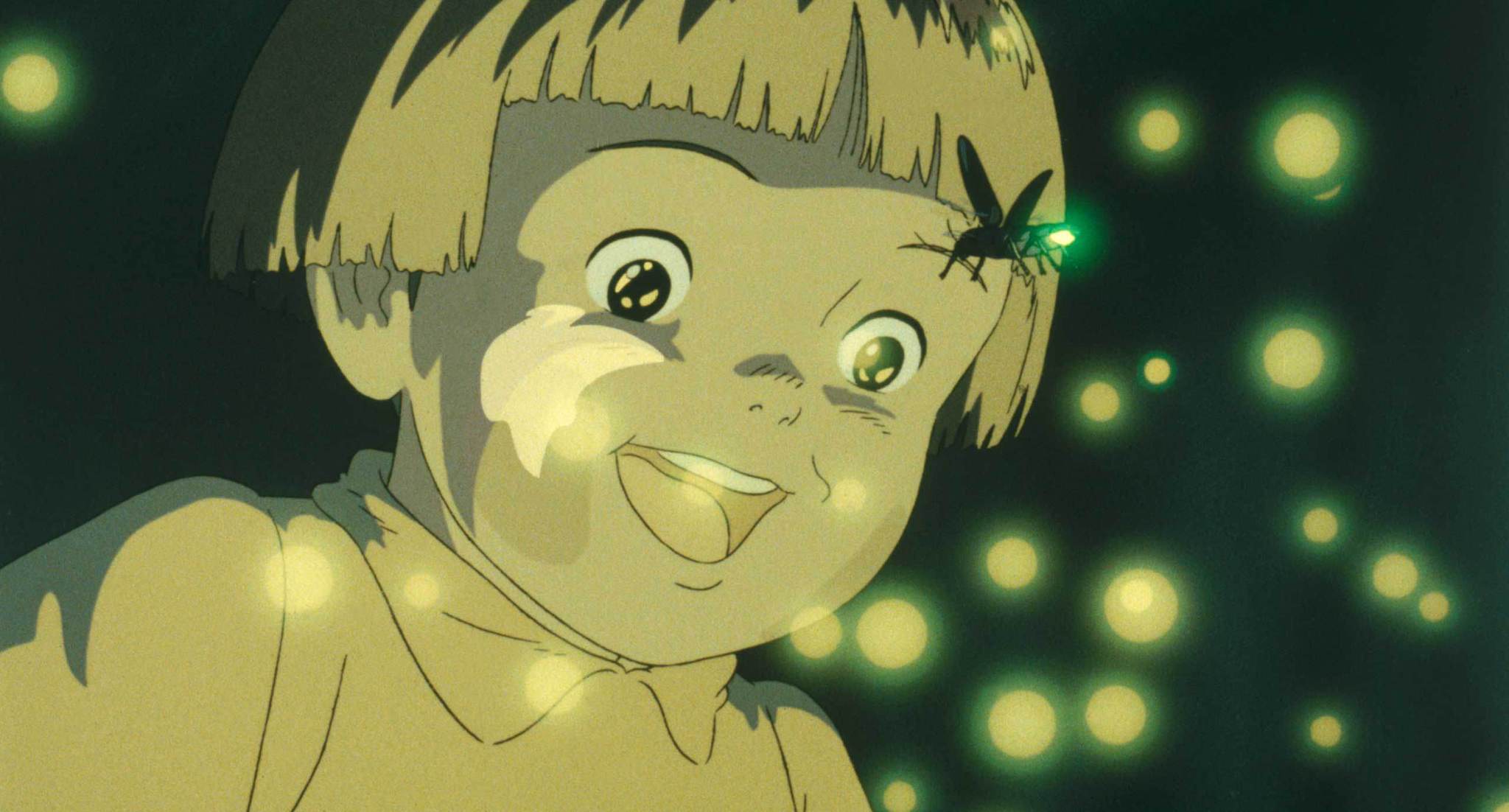
The two find shelter in a small abandoned cave near the river. Seita tries to make the place a “home” for Setsuko, creating a pleasant atmosphere by catching fireflies to light up the cave at night. Setsuko, with her innocence, finds joy in little things like fireflies, fruit candy, and playing in nature, even though hunger begins to eat away at them. Seita goes to great lengths to provide food, initially using his mother's small savings to buy rice and other necessities. However, when the money ran out, he was forced to steal crops from farmers ' fields or even sneak into houses during air raids to retrieve food.
Deterioration of Condition and tragedy
As time goes by, hunger and malnutrition begin to have a serious impact on Setsuko. The little girl became increasingly weak, often complained of hunger, and began to show signs of malnutrition, such as her thin body and pale skin. Seita, who was trying to stay strong for the sake of his younger brother, began to despair because he was unable to provide enough food. In one of the devastating moments, Setsuko sucks on a rock candy that turns out to be a pebble, showing how severe her hunger is. He also makes” rice " out of mud, pretending to serve food to his brother, an act that illustrates his innocence and despair.
Seita eventually learns that Japan has surrendered after the atomic bombings of Hiroshima and Nagasaki, and his father has most likely died with the Navy. This news shatters his last hope, but he still tries to hide the truth from Setsuko. In a last-ditch effort to save his sister, Seita withdraws his mother's remaining savings from the bank and buys food, including watermelons that he hopes will make Setsuko happy. However, when he returns to the cave, he finds Setsuko in a critical condition, hallucinating and nearly unconscious. In a panic, Seita feeds Setsuko, but it is too late. Setsuko dies of starvation and malnutrition, leaving Seita in unspoken grief.
Cover and symbolism
After Setsuko's death, Seita cremated her sister's body near a cave and stored her ashes in a fruit candy can that Setsuko always carried with her. He loses his zest for life and eventually returns to Sannomiya train station, where the story begins. There, Seita dies a lonely death, neglected by the world around him. The Film closes with the reunited spirits of Seita and Setsuko, sitting together on a hill overlooking modern-day Kobe, surrounded by fireflies symbolizing the souls lost as a result of the war. This scene conveys a message about the injustice of war and the fragility of life, but also the tenderness of brother-sister relationships that remain eternal even in the midst of suffering.
Theme and symbolism
Grave of the Fireflies is a deep meditation on the impact of war on individuals, especially innocent children. The Film portrays not only physical suffering such as hunger, but also emotional trauma, isolation, and loss of hope. The fireflies in the film's title become a powerful symbol: they represent a short and fragile life, like the fate of Seita and Setsuko who shine briefly before going out. The fruit candy can, which originally contained sweets but eventually contained Setsuko's Ashes, symbolized the transition from the joys of childhood to the tragic reality of war.
The relationship between Seita and Setsuko is the emotional core of the film. Seita, despite being a child, tries to be a protector and substitute parent for Setsuko, but his efforts are often in vain due to his limitations as a teenager. Setsuko, with her innocence, represents purity marred by the cruelty of war. The Film also criticizes the apathy of society and the system that fails to protect the weak, such as the aunt who is more concerned with her own family or the farmer who arrests Seita for stealing.
Conclusion
Grave of the Fireflies is a work that not only tells the tragic story of two orphans, but also highlights the universal impact of war on humanity. With Beautiful Yet Simple Animation, haunting music by Michio Mamiya, and realistic depictions of suffering, the film invites viewers to reflect on the price of conflict and the importance of empathy. Though heavy and depressing, the film remains a powerful reminder of the power of love and human resilience in the midst of despair.
See More Movies
Related products
- Film
Sing 2
- Film
Kungfu Panda 1
- Film
Big Hero 6
Community Rating